
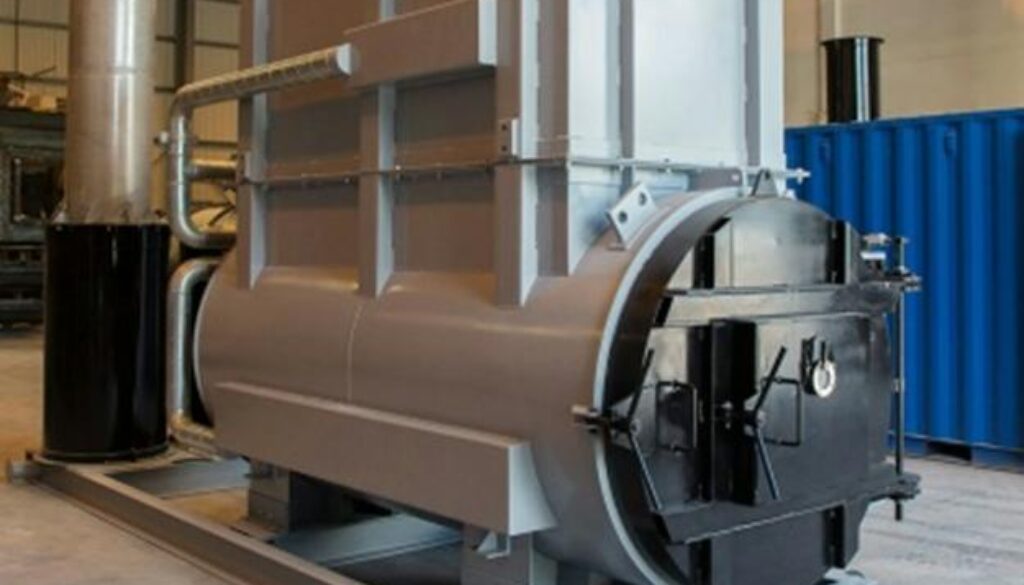
Fuel Options for Waste Incinerators in East Africa.
In healthcare, industrial, and humanitarian settings, waste incineration remains one of the most effective ways to dispose of hazardous and biomedical waste. But choosing the right fuel type for your incinerator can make a significant difference in your operational costs, environmental compliance, and equipment reliability.
In the East African context — where infrastructure, regulations, and fuel access vary widely — it’s important to understand how each fuel option performs under real-world conditions.
Here’s an in-depth comparison of diesel, LPG, electric, and manual incinerators, including installation and maintenance considerations.
Diesel-Fired Incinerators
Diesel remains the most widely used fuel in the region due to its availability, heating power, and independence from utility infrastructure.
Advantages:
- Readily available across rural and urban areas
- Heats up quickly and reaches high temperatures (up to 850°C or more)
- Ideal for medical, general, and animal waste
- Strong performance in off-grid or mobile units
Considerations:
- Moderate emissions, though secondary chambers reduce smoke
- Requires bunded fuel storage
- Slightly more maintenance than LPG due to soot accumulation
Installation & Maintenance:
- Lower installation cost than LPG systems
- Diesel pumps, filters, and burners are easy to maintain and replace
LPG/Natural Gas-Fired Incinerators
LPG systems are becoming more common in urban hospitals and regulated facilities due to their cleaner combustion and lower emissions.
Advantages:
- Cleaner burning than diesel (less smoke/odour)
- Easier to comply with NEMA air quality standards
- Reduced carbon build-up in the chambers
- Efficient temperature control for programmed cycles
Considerations:
- Requires LPG cylinders, piping, and regulators
- Not ideal for remote locations due to fuel access
- Higher upfront installation cost
Installation & Maintenance:
- Higher initial cost due to gas safety controls and plumbing
- Lower ongoing maintenance due to cleaner burn
Electric Incinerators (Limited Use)
Electric-fired incinerators use heating elements instead of fuel. While environmentally friendly at the point of use, they are rarely viable in East Africa due to infrastructure limitations.
Advantages:
- No fuel storage needed
- Zero on-site emissions
- Low mechanical maintenance
Limitations:
- Extremely high power consumption
- Unreliable power supply in rural areas
- Slow heating times
- Only suited for very small or lab-scale waste loads
Manual Incinerators (No Fuel Required)
Manual incinerators rely on wood, charcoal, or waste itself as the combustion source. These are simple units, often used in rural clinics, refugee camps, or temporary operations.
Advantages:
- No fuel infrastructure needed
- Very low initial cost
- Suitable for basic waste reduction needs
Limitations:
- Inconsistent temperatures — risk of incomplete combustion
- High emissions and odour
- Cannot safely handle certain waste types (e.g., pathological, sharps)
- Do not meet NEMA or WHO standards for medical waste incineration
Installation & Maintenance:
- Very low setup cost
- Frequent cleaning and manual ash removal required
- Not suitable for regulated environments
Fuel Type Comparison
| Fuel Type | Availability | Emissions | Install Cost | Maintenance | Ideal Use Cases |
| Diesel | High | Moderate | Medium | Medium | Medical, industrial, remote projects |
| LPG/Gas | Medium | Low | High | Low | Urban hospitals, labs, regulatory sites |
| Electric | Low | Zero | Very High | Low | Labs (limited scale only) |
| Manual (wood) | High | High | Very Low | High | Rural, emergency use, unregulated settings |
What Fuel Type Should You Choose?
Your choice depends on your waste type, location, budget, and regulatory obligations:
- For most applications across Kenya, South Sudan, Uganda, and similar regions, diesel remains the most practical, versatile, and field-tested solution.
- LPG is recommended for urban settings where air quality regulations are strict and gas access is reliable.
- Manual incinerators should only be used for non-infectious waste or in temporary settings — not for healthcare facilities handling sharps or anatomical waste.
- Electric incinerators are currently not practical due to power reliability and high costs.
Talk to Experts Who Understand Local Conditions
At Ambani Steel Fabricators, we design and fabricate incinerators tailored to your waste type, site conditions, and energy availability we can guide you on the right fit.
Our Incinerators are designed for easy transport and installation, which has allowed us to successfully deliver and install them not only in Kenya but also in Uganda, Tanzania, Sudan, South Sudan, Somalia, Rwanda, and Central Africa.
Contact us today for a tailored quotation and site assessment.
Let’s help you build a compliant, efficient, and cost-effective waste disposal system.